DaaS
Collect & Build




The DroMii platform provides a wide range of spatial data and analytics services based on drone imagery. It allows users to easily access and utilize spatial insights anytime, anywhere.
Collect & Build
Analyze
Clean
Structure

Build spatial data using 3D models and panoramic outputs generated from drone imagery, and conveniently access analysis results and reports through shareable URLs.

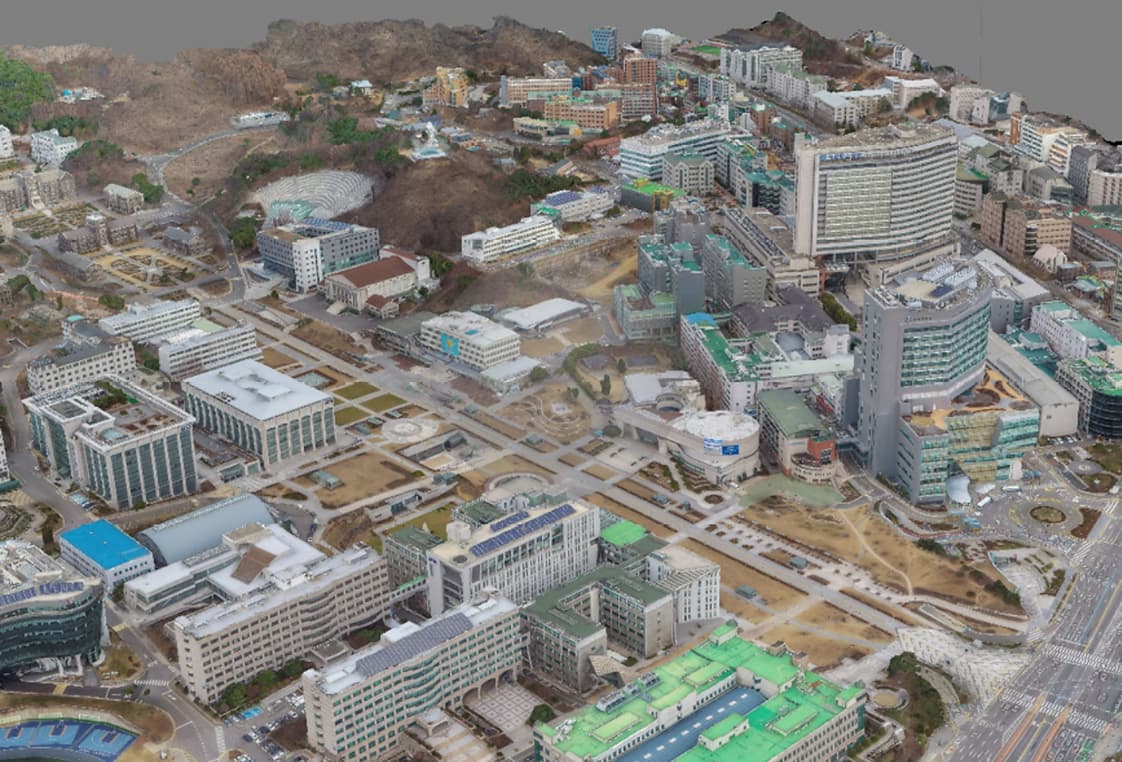
Upload images to the platform using a simple drag-and-drop interface to automatically generate 3D spatial data. All processes are automated through distributed network-based processing, providing various data analytics and reporting capabilities.
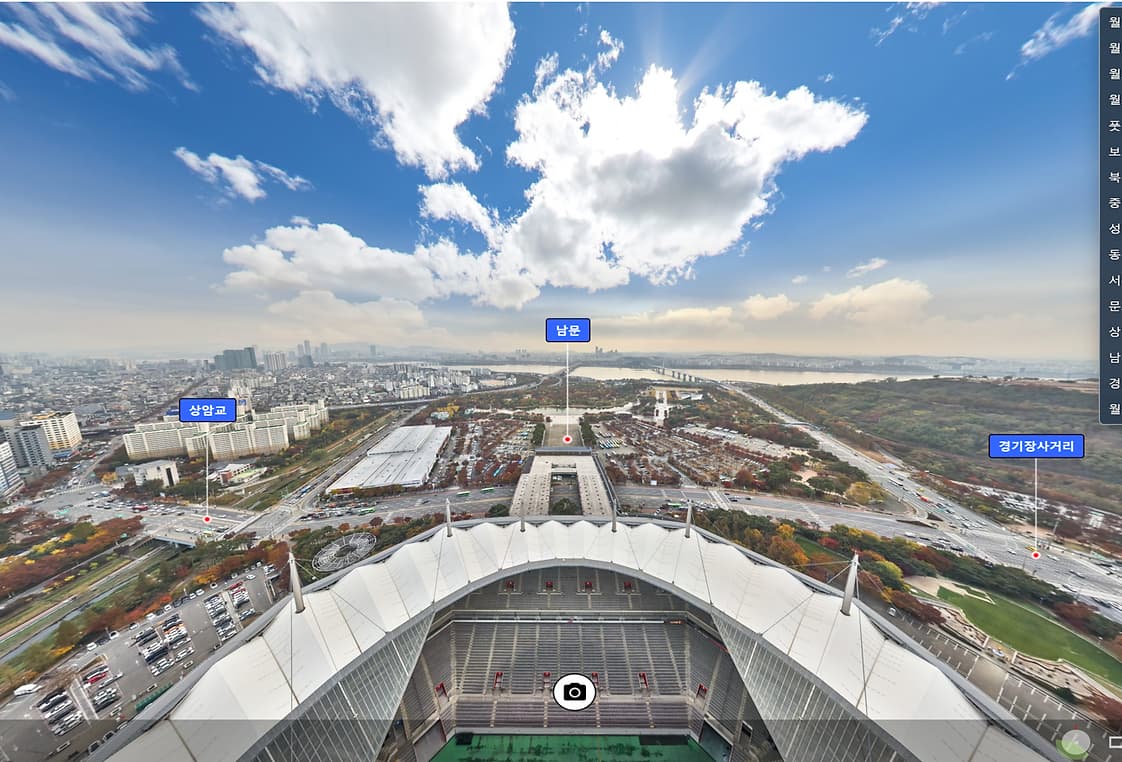

Through automated processing including mosaicking and color correction, the 360° panoramic platform generates real-time results and delivers HTML5-based outputs accessible across devices and operating systems.
More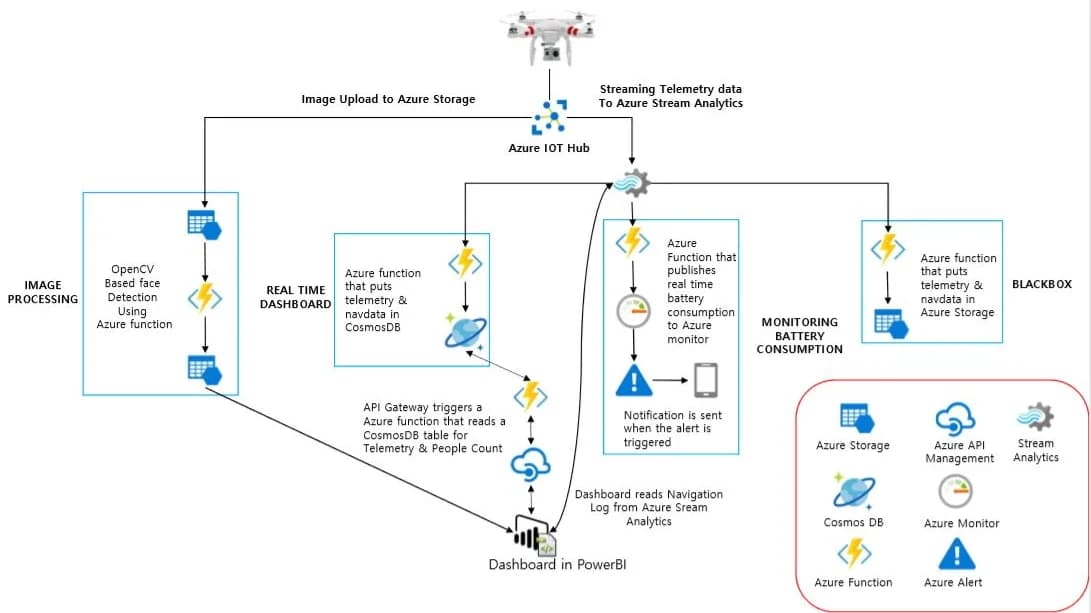

DTM is a spatial data solution that utilizes various sensors mounted on drones to collect and analyze aerial, water surface, and ground data.
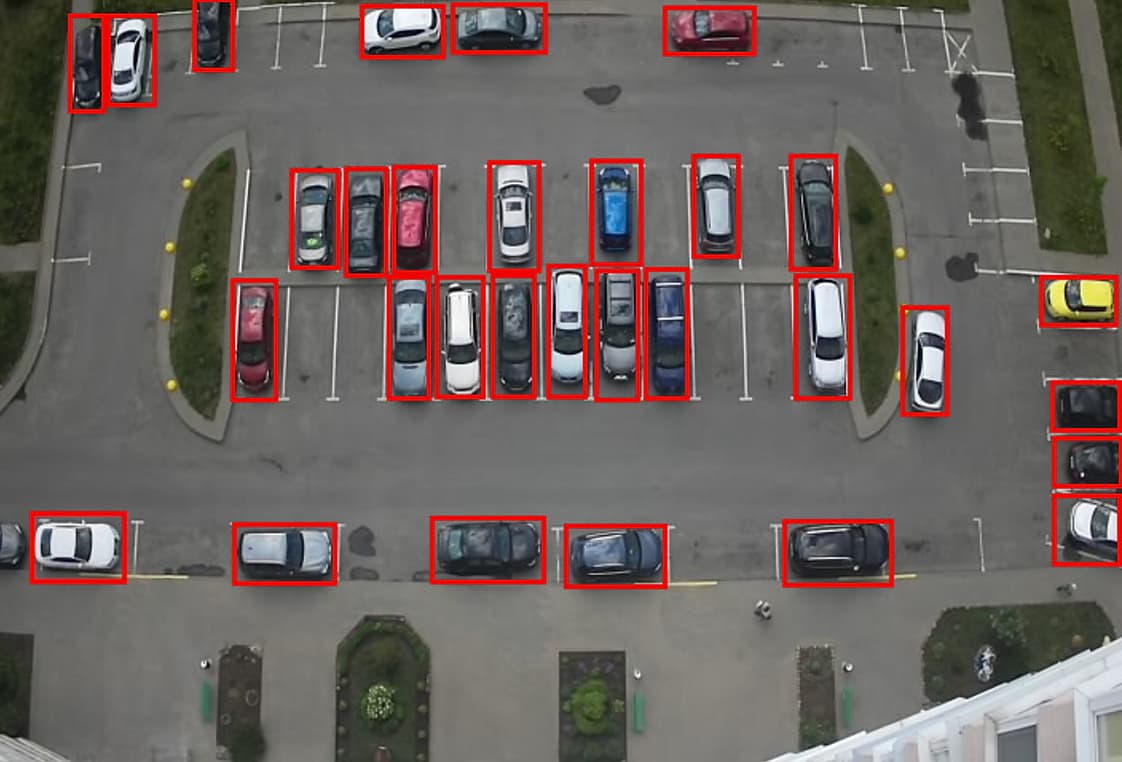

By applying machine learning to drone imagery analysis, various types of spatial data can be generated. Beyond the limitations of traditional equipment, drones can efficiently capture both bidirectional and full-lane road information.


By combining drones, artificial intelligence, and big data technologies, DTM supports condition-based monitoring and analysis of various infrastructure assets. It also enables seamless integration with existing management systems.
CfSM utilizes deep learning algorithms to automatically remove vehicles from road imagery and generate clean, car-free street maps. This data can be used for autonomous driving simulations or for building high-definition safety maps (HDS Map) for road safety analysis.
MoreAfGG is a solution that generates HDS (High-Definition Safety) Maps based on road marking information. Using DTM ML technology, it automatically labels road markings such as lane lines, crosswalks, and stop lines, and detects risk factors like potholes and cracks to collect comprehensive road information.
Through this technology, DroMii can build high-precision maps that include various road markings and risk factors focused on improving vehicle safety.
More